.svg)

Culture of Dehradun: Festivals, Food, Traditions & Local Lifestyle
Explore the culture of Dehradun in a simple question-answer format. Learn about its festivals, food, languages, traditions, lifestyle, fairs, temples, education culture, and local identity.
On this page
Introduction
Dehradun is not only famous for its mountains, weather, schools, cafes, and tourist places. The city also has a rich and diverse culture shaped by its geography, history, people, festivals, food, education, spirituality, and peaceful lifestyle.
The culture of Dehradun is a beautiful mix of Garhwali, Kumaoni, Jaunsari, Punjabi, Gorkha, Sikh, Tibetan, and modern urban influences. Because Dehradun is the capital of Uttarakhand and a major educational and administrative centre, people from many parts of India live here. This makes the city culturally diverse, welcoming, and socially balanced.
Dehradun’s culture is simple, peaceful, nature-connected, and community-based. From traditional fairs like Jhanda Fair and Tapkeshwar Mela to local food, temples, folk traditions, educational institutions, book festivals, and modern cafe culture, Dehradun offers a unique cultural identity.
In this guide, we will understand the culture of Dehradun in a simple question-answer format.
Quick Answer: What is the culture of Dehradun?
The culture of Dehradun is a peaceful mix of Garhwali, Jaunsari, Kumaoni, Sikh, Gorkha, Tibetan, Punjabi, and modern urban influences. The city is known for its educational environment, spiritual places, local fairs, food culture, bakery tradition, nature-connected lifestyle, and growing cafe culture.
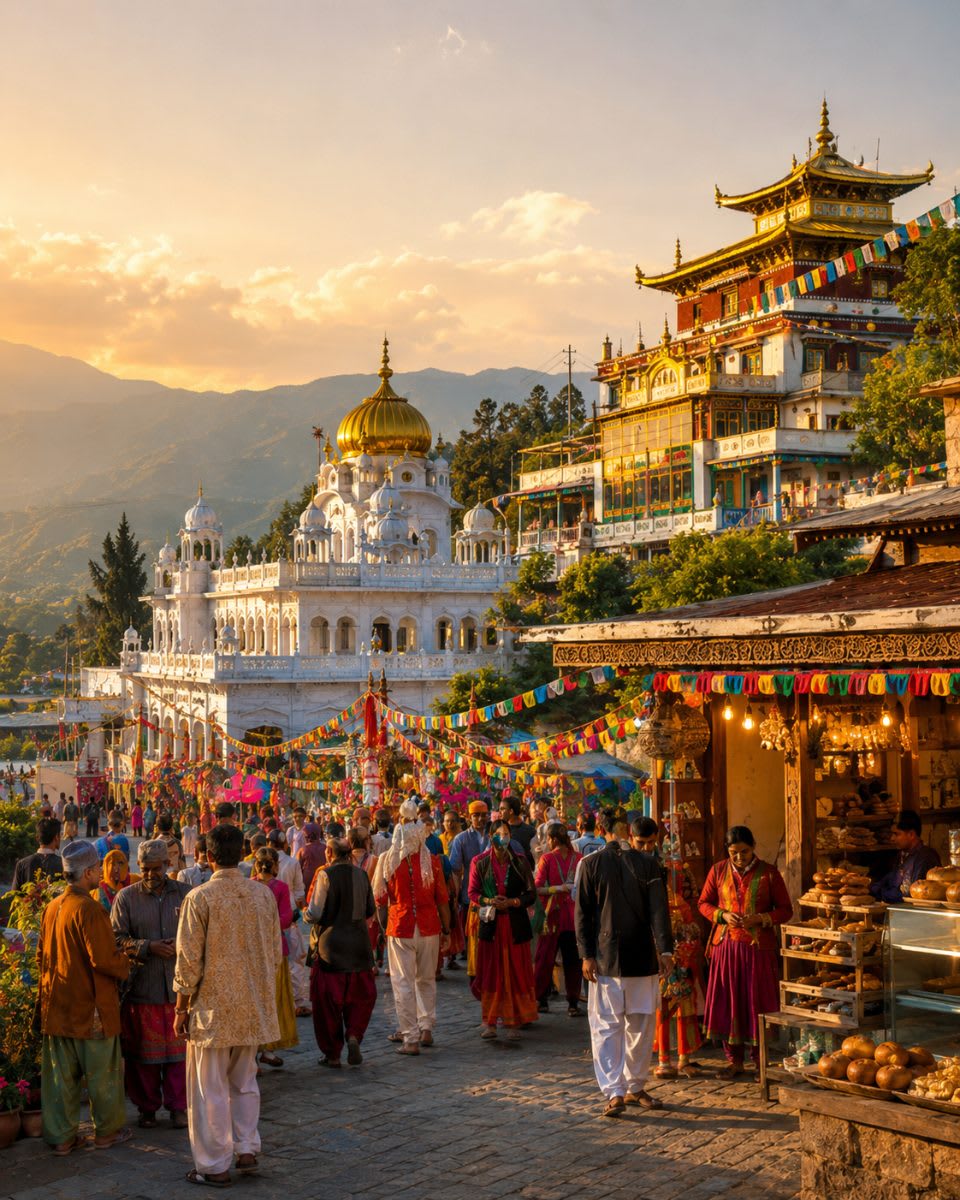
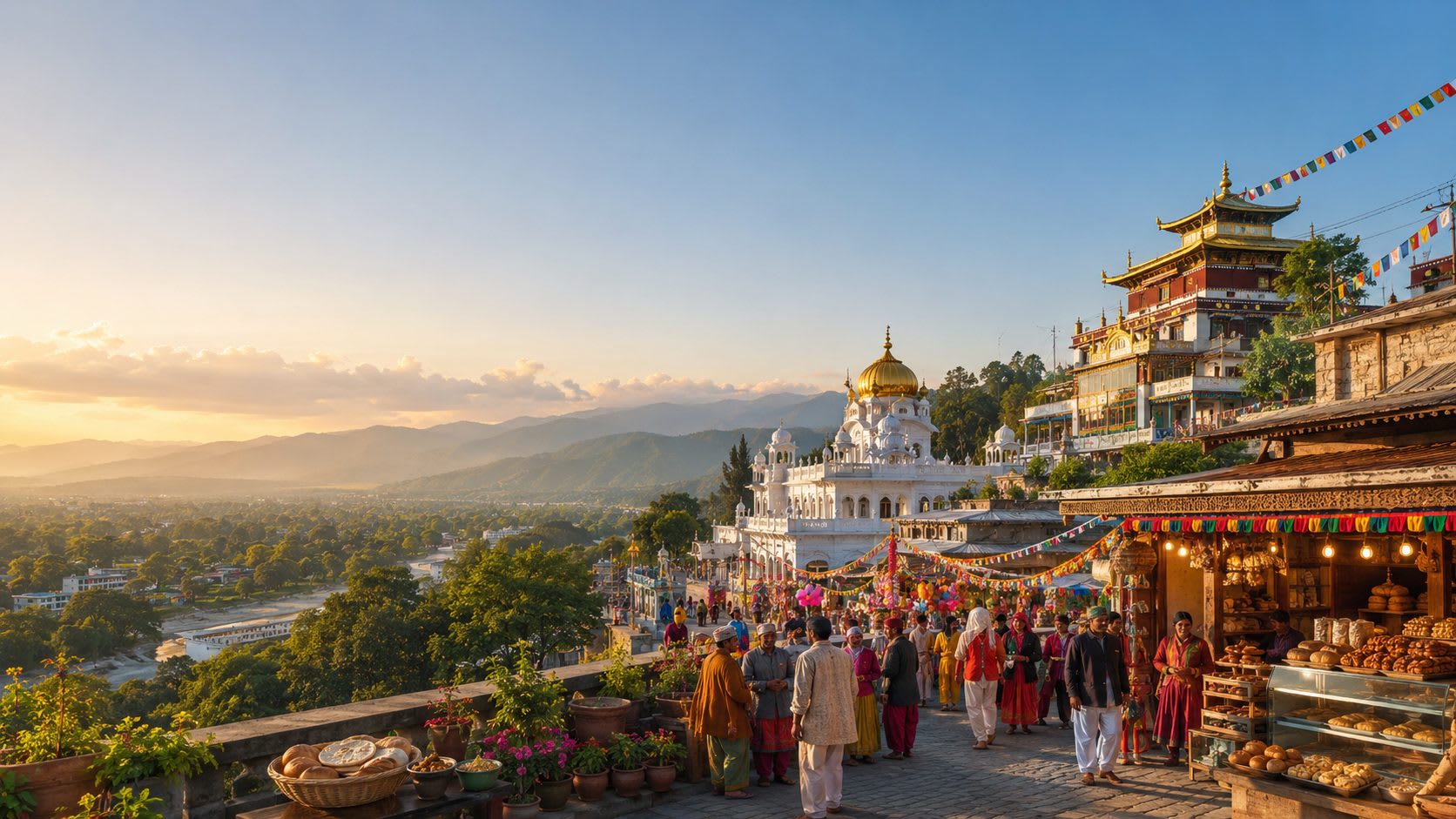
Dehradun’s culture is special because it connects the calmness of the mountains with the lifestyle of a modern capital city. Traditional fairs like Jhanda Fair, Tapkeshwar Mela, Bissu Fair, and Mahasu Devta’s Fair keep the old cultural roots alive, while modern events, literature festivals, cafes, and student life show the new identity of the city.
Culture of Dehradun at a Glance
Cultural FeatureDetailsMain IdentityMix of hill culture and modern urban lifestyleMajor InfluencesGarhwali, Jaunsari, Kumaoni, Sikh, Gorkha, Tibetan, PunjabiMain LanguageHindiLocal LanguagesGarhwali, Jaunsari, Kumaoni, NepaliFamous Local FairJhanda FairImportant Religious FairTapkeshwar MelaImportant Jaunsari FairBissu FairSpiritual LandmarksGuru Ram Rai Darbar Sahib, Tapkeshwar Temple, Mindrolling MonasteryFood IdentityGarhwali food, bakery items, momos, local snacks, cafe foodModern CultureCafes, students, tourism, digital work, literature eventsCultural StrengthPeaceful lifestyle, education, spirituality, diversity
What is the culture of Dehradun?
The culture of Dehradun is a mix of traditional hill culture and modern city lifestyle. It includes local festivals, spiritual places, regional languages, traditional food, folk music, fairs, educational culture, nature-based living, and peaceful community life.
Dehradun’s culture has been shaped by:
Garhwali traditions
Jaunsari customs
Kumaoni influence
Sikh heritage
Gorkha presence
Tibetan community
British-era institutions
Modern urban lifestyle
Educational institutions
Tourism and migration
This cultural mix makes Dehradun different from many other cities. It is neither completely a hill town nor completely a plain city. It carries the calmness of the mountains and the opportunities of a growing urban centre.
Why is Dehradun culturally important?
Dehradun is culturally important because it connects the plains of North India with the Himalayan region. It has always been a meeting point for different communities, travellers, saints, students, soldiers, traders, and tourists.
The city has historical links with Guru Ram Rai, Guru Dronacharya, Garhwal rulers, British institutions, Sikh heritage, and local hill communities. This gives Dehradun a layered cultural identity.
Dehradun is also important because it is the capital of Uttarakhand. Many cultural events, educational activities, government functions, literary events, fairs, and tourism-related activities take place here.
The city represents the modern face of Uttarakhand while still keeping a strong connection with traditional hill culture.
What makes the culture of Dehradun unique?
The culture of Dehradun is unique because it brings many traditions together in one place.
You can see spirituality in temples and gurudwaras, nature connection in local lifestyle, modern taste in cafes and malls, traditional identity in fairs and festivals, and educational influence in schools and institutions.
Some unique cultural features of Dehradun include:
Peaceful valley lifestyle
Mix of hill and urban culture
Strong education culture
Famous local fairs
Spiritual diversity
Traditional Garhwali and Jaunsari influence
Modern cafe and youth culture
Military and institutional identity
Love for nature and outdoor life
Friendly and simple local behaviour
This balance of tradition and modernity makes Dehradun culturally rich.
Which communities influence Dehradun’s culture?
Dehradun’s culture is influenced by many communities. Some of the major cultural influences include:
Garhwali community
Jaunsari community
Kumaoni community
Punjabi community
Sikh community
Gorkha community
Tibetan community
North Indian urban communities
Students from different states
Government and defence families
Because people from different backgrounds live in Dehradun, the city has a soft and inclusive culture. Festivals from different communities are celebrated with respect, and different food habits, languages, and customs can be seen across the city.
This diversity is one of the biggest strengths of Dehradun’s culture.
Which languages are spoken in Dehradun?
Hindi is the most commonly spoken language in Dehradun. It is used in daily communication, schools, markets, offices, public places, and local transport.
Apart from Hindi, many people also speak or understand:
Garhwali
Jaunsari
Kumaoni
Punjabi
English
Nepali
Tibetan in some community areas
English is common among students, professionals, schools, colleges, and offices. Garhwali and Jaunsari are important cultural languages connected with the local identity of the region.
The language culture of Dehradun shows how traditional and modern life exist together in the city.
How does Garhwali culture influence Dehradun?
Garhwali culture has a strong influence on Dehradun because the city is part of the Garhwal region of Uttarakhand.
Garhwali culture can be seen in:
Local food
Folk songs
Traditional festivals
Religious beliefs
Family values
Respect for nature
Wedding customs
Folk dances
Local language
Rural-urban family connections
Many families living in Dehradun have roots in different Garhwal districts. Even if they live in the city, they stay connected with their ancestral villages, festivals, food, and traditions.
This is why Garhwali culture remains an important part of Dehradun’s identity.
How does Jaunsari culture influence Dehradun?
Jaunsari culture is especially important in the Chakrata and Jaunsar-Bawar region of Dehradun district. It is one of the most distinct cultural identities linked with Dehradun.
Jaunsari culture is known for:
Traditional dress
Folk songs
Folk dances
Community festivals
Strong village traditions
Agricultural lifestyle
Local fairs
Unique customs
Traditional jewellery
Deep respect for local deities
Festivals like Bissu Fair and Mahasu Devta’s Fair reflect the cultural heritage of the Jaunsari community. These fairs bring people together and show the traditional identity of the region.
Jaunsari culture adds depth and uniqueness to the overall culture of Dehradun.
What are the famous festivals of Dehradun?
Dehradun celebrates many festivals throughout the year. Some festivals are local and traditional, while others are celebrated across India.
Important festivals and cultural events in Dehradun include:
Jhanda Fair
Tapkeshwar Mela
Bissu Fair
Mahasu Devta’s Fair
Shaheed Veer Kesri Chandra Fair
Diwali
Holi
Makar Sankranti
Navratri
Shivratri
Igas Bagwal
Christmas
Eid
Gurpurab
Buddha Purnima
These festivals show the city’s religious, social, and cultural diversity. Local fairs are especially important because they connect Dehradun with its history, spirituality, and traditional communities.
What is Jhanda Fair in Dehradun?
Jhanda Fair is one of the most famous and important cultural fairs of Dehradun. It is held every year at the historic Guru Ram Rai Darbar Sahib in Dehradun city.
The fair is organised in the sacred memory of Guru Ram Rai. It begins with the raising of a new flag, known as the Jhanda, in the Darbar Sahib complex. This flag-raising ceremony is the main attraction of the fair and holds deep religious and cultural importance.
Jhanda Fair is not only a religious gathering. It is also a major part of Dehradun’s old city culture. Devotees and visitors come from Dehradun, Punjab, Haryana, Delhi, Uttar Pradesh, Himachal Pradesh, and nearby regions. During the fair, the area around Darbar Sahib becomes active with devotees, local markets, food stalls, religious activities, and community gatherings.
For many people, Jhanda Fair represents the traditional soul of Dehradun. It connects faith, history, local markets, community bonding, and cultural memory in one event.
What is Tapkeshwar Mela?
Tapkeshwar Mela is connected with the ancient Tapkeshwar Mahadev Temple in Dehradun. The temple is located near a cave, and Lord Shiva is worshipped here.
During Shivratri, a large number of devotees visit Tapkeshwar Temple to offer prayers. The temple’s natural cave setting makes it spiritually and geographically special.
Tapkeshwar Mela shows the spiritual culture of Dehradun. It also connects the city’s religious life with its natural landscape because the temple is located near a cave and riverbank area.
What is Bissu Fair?
Bissu Fair is an important cultural fair connected with the Jaunsari community of Dehradun district. It is mainly associated with the Chakrata region and reflects the traditions of the Jaunsari tribe.
The fair is connected with the harvesting season and shows the happiness of the local people. People from nearby areas gather to celebrate, meet relatives, enjoy traditional activities, and honour their cultural identity.
Bissu Fair is important because it keeps Jaunsari heritage alive. It shows how agriculture, community life, and local traditions are deeply connected in the hill regions of Dehradun district.
What is Mahasu Devta’s Fair?
Mahasu Devta’s Fair is another important cultural and religious fair linked with the Jaunsar-Bawar region. Mahasu Devta is highly respected as a local deity in many parts of Uttarakhand and Himachal border regions.
The fair is held around Hanol on the Chakrata-Tyuni road. During the fair, devotees gather for worship, processions, prayers, and traditional celebrations.
This fair reflects the deep spiritual beliefs of the Jaunsari community. It also shows the connection between local deities, village culture, music, rituals, and community identity.
What is the food culture of Dehradun?
The food culture of Dehradun is a mix of traditional Uttarakhand food and modern urban food. People in Dehradun enjoy simple home-cooked meals, local hill dishes, North Indian food, street food, bakery items, cafe food, and seasonal fruits.
Traditional food influences include Garhwali and Kumaoni dishes, while the city lifestyle has also brought Punjabi, Tibetan, Chinese, South Indian, and continental food options.
Common food items and flavours associated with Dehradun include:
Mandua roti
Chainsoo
Kafuli
Phaanu
Jhangora kheer
Aloo ke gutke
Gahat dal
Bhang ki chutney
Local rice dishes
Litchi
Bakery products
Momos
Chaat and street snacks
Tea and cafe snacks
The food culture of Dehradun is simple, seasonal, and diverse. It reflects both mountain roots and modern city taste.
Why is Dehradun famous for bakery culture?
Dehradun is also known for its bakery culture. Many old and popular bakeries in the city are loved by locals, students, tourists, and families.
Bakery culture became popular because of Dehradun’s educational institutions, colonial-era influence, peaceful lifestyle, and strong local market culture.
People often enjoy:
Rusks
Buns
Cakes
Pastries
Cookies
Bread
Plum cakes
Cream rolls
For many locals and visitors, bakery items are part of the Dehradun experience. This makes bakery culture an important part of the city’s modern food identity.
How does education shape Dehradun’s culture?
Education is one of the strongest parts of Dehradun’s culture. The city is known for its schools, colleges, training institutes, and national institutions.
Because of its educational environment, Dehradun attracts students from different parts of India. This has made the city youthful, diverse, and intellectually active.
Education has shaped Dehradun’s culture in many ways:
Student-friendly environment
Coaching and learning culture
English-speaking influence
Bookshops and libraries
Hostel and campus life
Youth cafes and hangout spots
Career-focused lifestyle
Exposure to different cultures
Many people also know Dehradun as a school city because of its long educational tradition.
How does spirituality influence Dehradun’s culture?
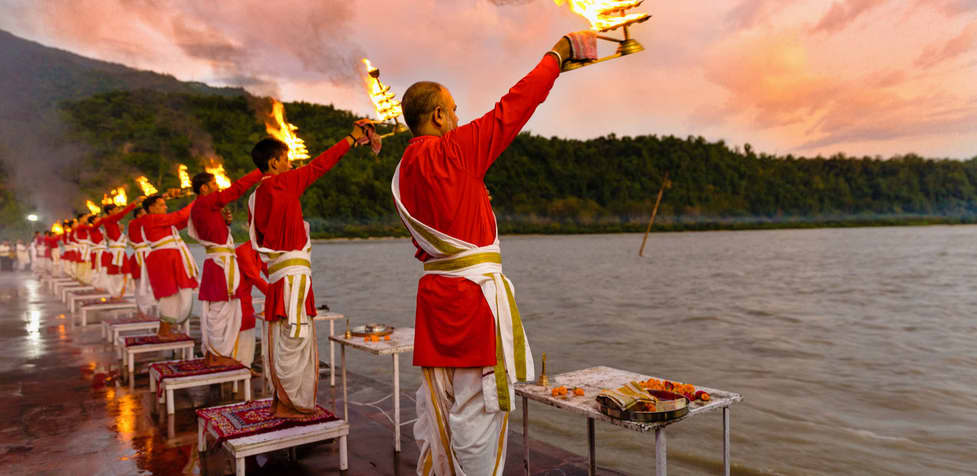
Spirituality plays an important role in the culture of Dehradun. The city has temples, gurudwaras, monasteries, churches, mosques, and spiritual centres.
Important spiritual and cultural places include:
Guru Ram Rai Darbar Sahib
Tapkeshwar Mahadev Temple
Mindrolling Monastery
Santala Devi Temple
Laxman Siddh Temple
Sai Darbar Temple
Local village temples
Churches and mosques in city areas
People from different faiths live peacefully in Dehradun. Religious festivals, prayers, fairs, and community gatherings are part of everyday cultural life.
This spiritual diversity gives Dehradun a calm and respectful cultural environment.
How does nature influence Dehradun’s lifestyle and culture?
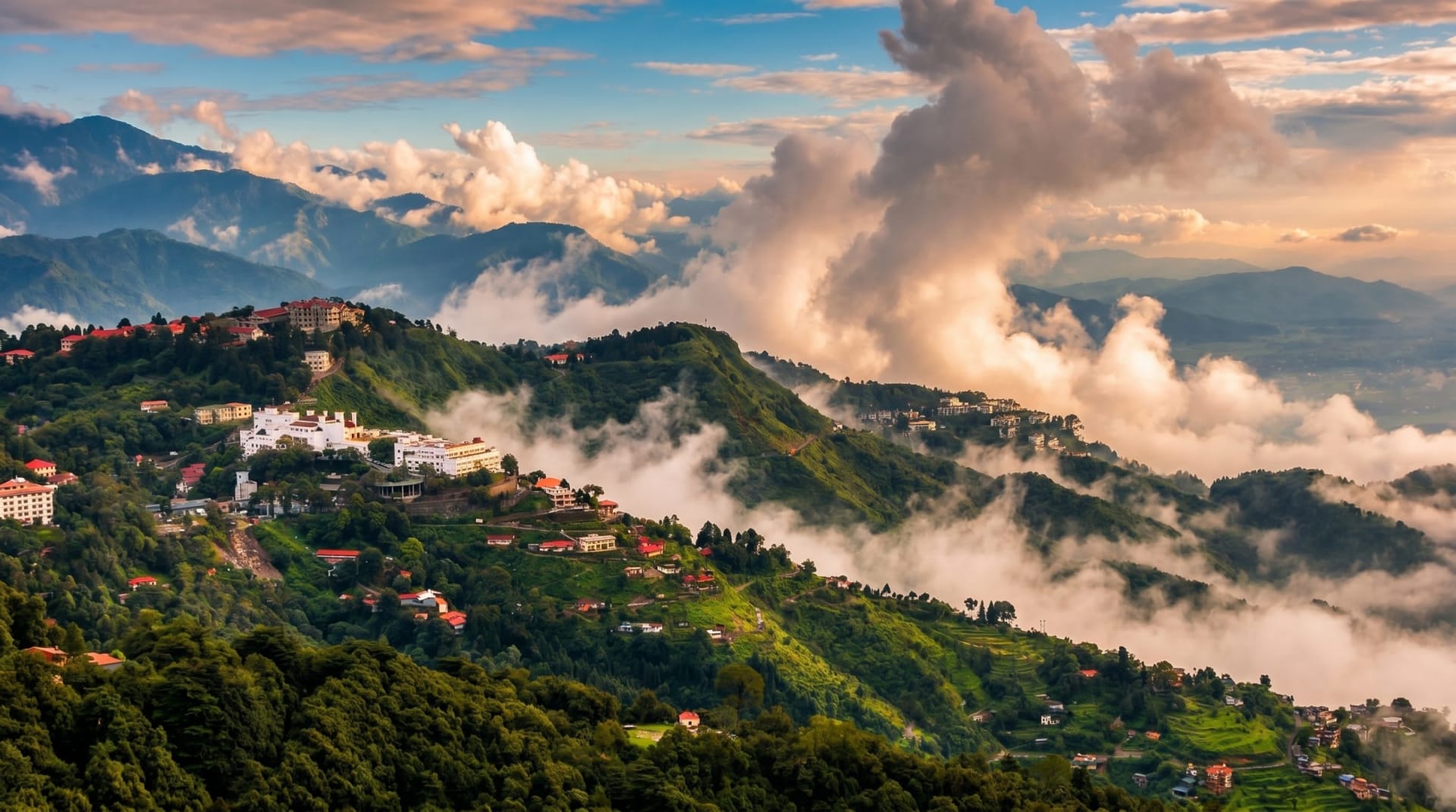
Nature has a deep influence on Dehradun’s lifestyle. The city is surrounded by hills, forests, rivers, streams, and scenic routes. This natural environment shapes the way people live and spend their time.
People in Dehradun often enjoy:
Morning walks
Hill drives
Picnics
River-side visits
Trekking and short hikes
Cafe outings with mountain views
Cycling
Photography
Visiting natural places in summer and monsoon
Nature also influences local festivals, food habits, seasonal lifestyle, and tourism. The peaceful environment of Dehradun is one reason why many people prefer to live here.
What is the traditional dress culture of Dehradun?
In daily life, most people in Dehradun wear modern clothes like jeans, shirts, kurtas, suits, sarees, and casual wear. However, traditional dress is still visible during festivals, weddings, cultural programmes, and village ceremonies.
Traditional hill dress may include:
Ghagra or traditional women’s attire in some areas
Pichora in Kumaoni-influenced ceremonies
Traditional jewellery
Woollen clothing in colder areas
Jaunsari traditional dress in Chakrata and nearby regions
Garhwali dress during folk performances
The dress culture of Dehradun shows both modern city life and traditional hill identity.
What role do folk songs and dances play in Dehradun’s culture?
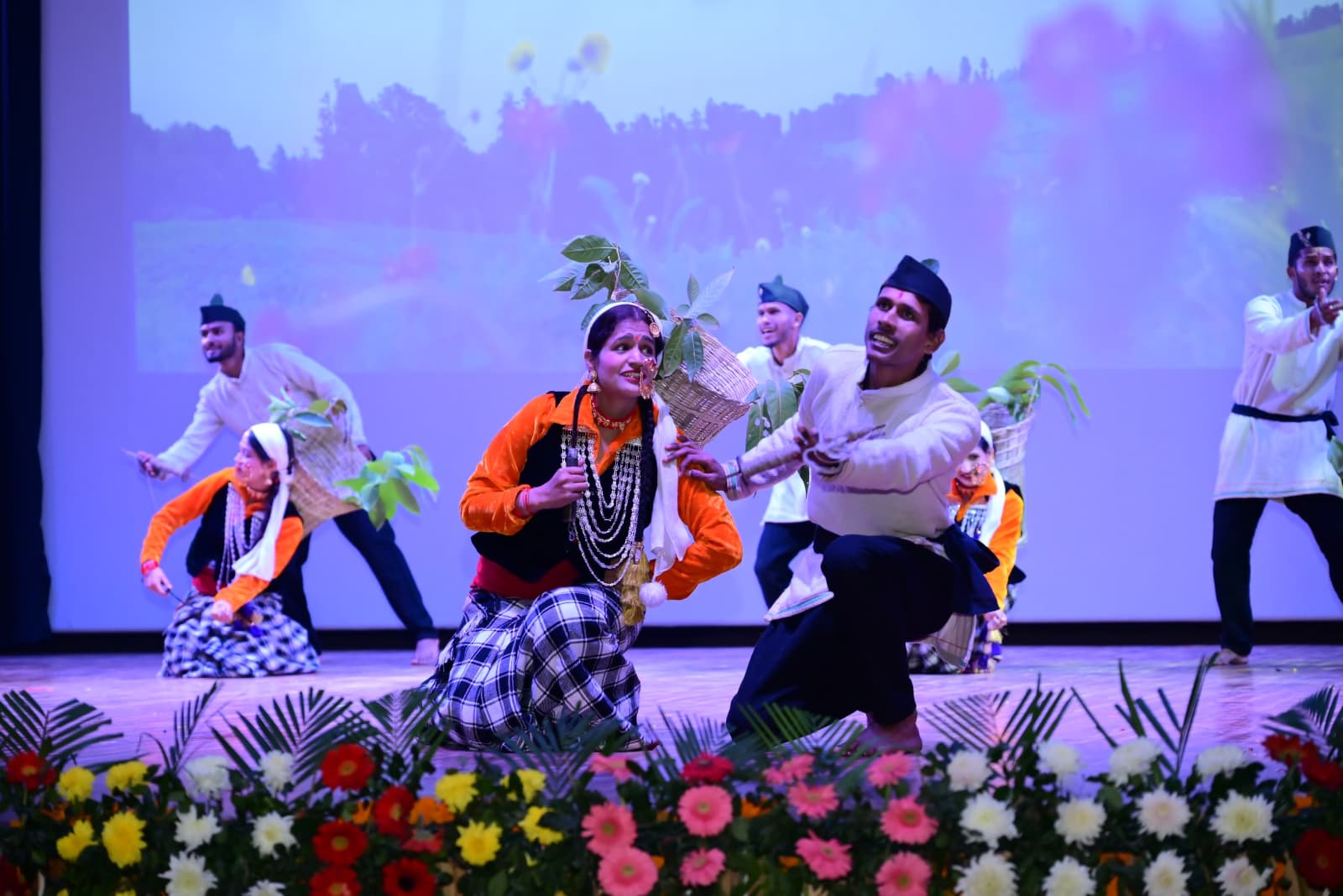
Folk songs and dances are an important part of the cultural identity of Uttarakhand, and Dehradun also shares this heritage.
Traditional songs and dances are performed during:
Weddings
Village festivals
Cultural programmes
Local fairs
School and college events
State functions
Community gatherings
Garhwali, Kumaoni, and Jaunsari folk performances reflect emotions, nature, devotion, farming life, seasons, and community bonding.
Folk culture keeps the older identity of the region alive, especially among families connected with villages and hill communities.
How does Gorkha culture contribute to Dehradun?
Gorkha culture has a strong presence in Dehradun. The city and nearby areas have a long connection with Gorkha history, army traditions, and community life.
Gorkha culture contributes to Dehradun through:
Military heritage
Food traditions
Community festivals
Folk music
Local markets
Discipline and service culture
Historical memories
Cultural events
The Gorkha community is an important part of Dehradun’s social and cultural fabric. Their presence adds another rich layer to the city’s identity.
How does Tibetan culture influence Dehradun?
Tibetan culture also adds diversity to Dehradun. Areas like Clement Town are known for Tibetan community life and Buddhist cultural influence.
Tibetan culture in Dehradun can be seen through:
Monasteries
Prayer flags
Buddhist teachings
Tibetan food
Monastic education
Peaceful community spaces
Cultural events
Handicrafts and local markets
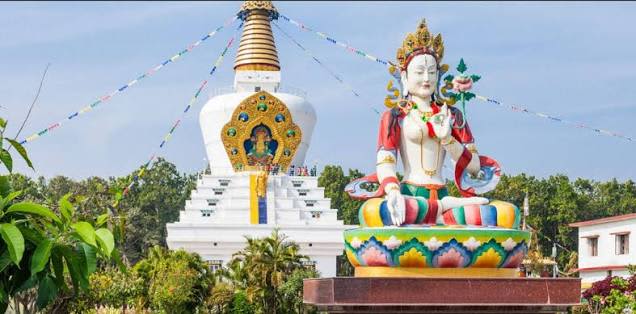
Mindrolling Monastery is one of the most well-known Buddhist cultural landmarks near Dehradun. Tibetan influence makes Dehradun more diverse and spiritually rich.
What is the modern lifestyle culture of Dehradun?
Modern Dehradun has changed a lot in the last few decades. The city now has malls, cafes, restaurants, coaching centres, gyms, coworking spaces, digital businesses, hotels, and growing residential areas.
Modern lifestyle culture in Dehradun includes:
Cafe culture
Weekend travel
Fitness and yoga
Digital work
Coaching and education
Social media content creation
Food blogging
Local events
Shopping and malls
Startup and freelancing culture
Despite modern growth, Dehradun still keeps a slower and more peaceful rhythm compared to big metro cities. This balance makes the city attractive for students, families, professionals, and travellers.
What are the modern cultural events in Dehradun?
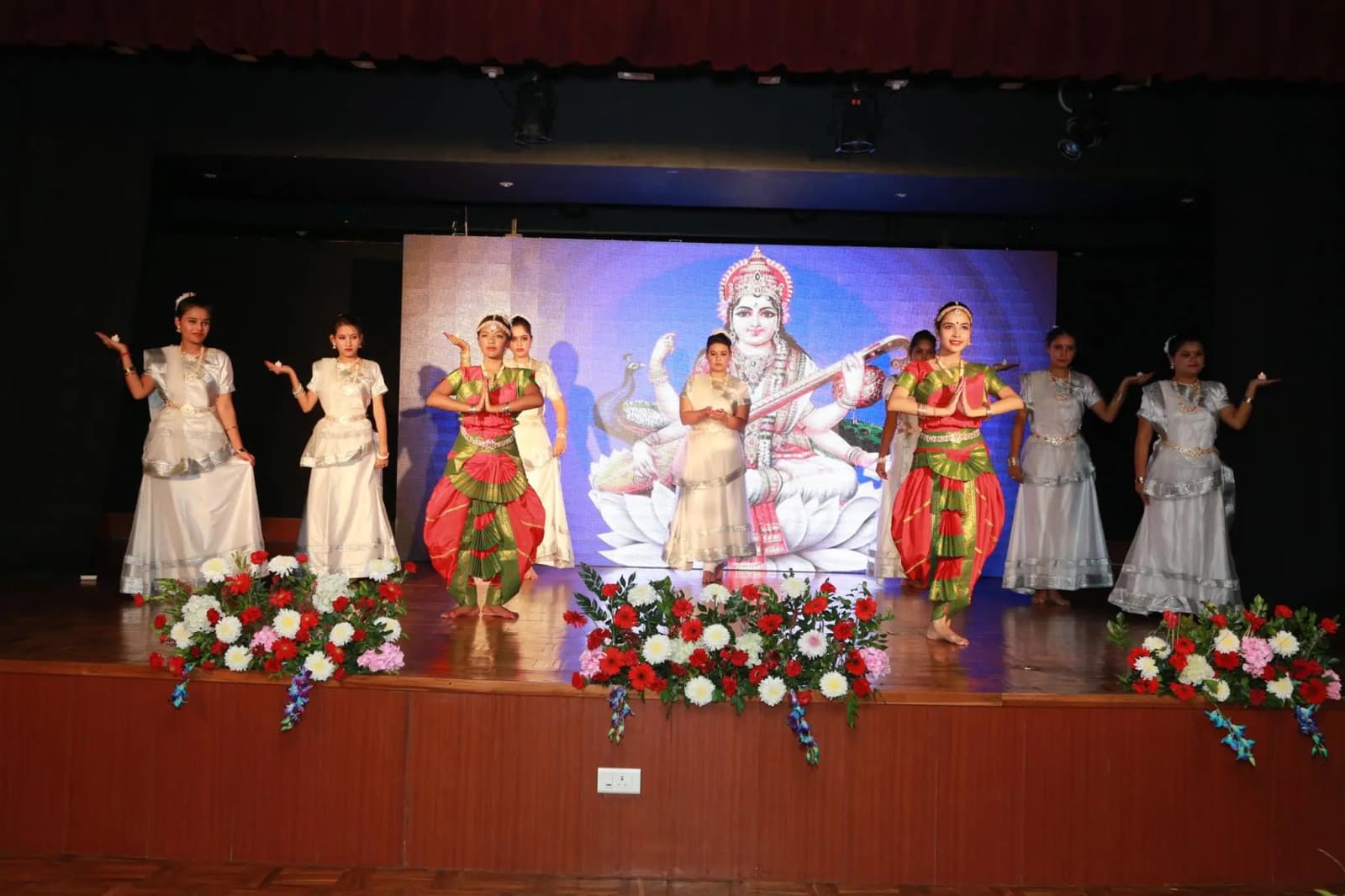
Dehradun’s culture is not limited to old fairs and traditional festivals. The city also has a growing modern cultural scene. Literature festivals, book fairs, nature festivals, art events, food stalls, handicraft exhibitions, folk performances, and cultural discussions are now becoming an important part of Dehradun’s identity.
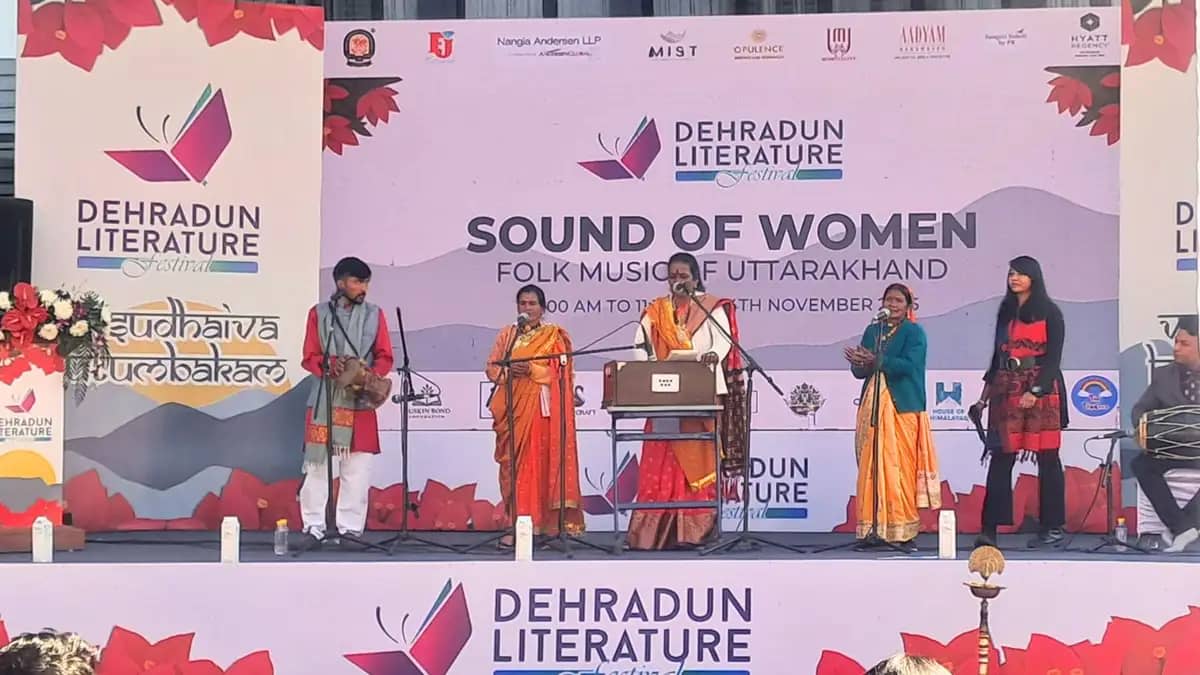
Events like Rajpur Nature Festival, Dehradun Literature Festival, Doon Book Festival, Vasantotsav, and Virasat show the modern cultural side of the city. These events bring together artists, writers, students, local businesses, farmers, artisans, cultural performers, and nature lovers.
Modern cultural events in Dehradun usually focus on:
Literature and books
Local food and organic products
Handicrafts and traditional products
Folk music and classical performances
Environmental awareness
Art exhibitions
Local entrepreneurship
Student participation
Cultural discussions
Sustainable living
This shows that Dehradun’s culture is growing with time. The city is keeping its traditional roots alive while also giving space to modern creativity, literature, art, and eco-conscious living.
How do literature and book festivals shape Dehradun’s culture?
Literature and book festivals play an important role in Dehradun’s modern culture. The city has always been known for education, schools, institutions, writers, readers, and peaceful learning spaces. Because of this background, literary events fit naturally into Dehradun’s identity.
Book festivals and literature festivals bring authors, poets, students, teachers, readers, artists, journalists, and thinkers together. These events create discussions around culture, society, environment, history, storytelling, and creativity.
They also help young people connect with books, regional languages, Indian writing, local stories, and creative careers. This makes Dehradun not only a tourist city but also a growing cultural and intellectual city.
Literary events also help preserve regional identity. When Garhwali, Kumaoni, Jaunsari, Hindi, and English voices get a platform, the city becomes more connected to both local heritage and modern ideas.
How does nature-based culture appear in Dehradun today?
Nature is one of the strongest parts of Dehradun’s cultural identity. The city is surrounded by hills, forests, rivers, and green spaces, so people here naturally stay connected with outdoor life.
This nature-based culture can be seen through:
Morning walks
Hill drives
Weekend picnics
Nature photography
Local food and organic markets
Eco-friendly events
Trekking and short hikes
Cafe culture near green areas
Awareness about waste and plastic reduction
Love for peaceful outdoor spaces
Modern events like nature festivals and eco-conscious cultural programmes show that people in Dehradun are trying to connect culture with sustainability. This is important because Dehradun’s future depends on how well it protects its green spaces, rivers, hills, and local environment.
How has migration changed Dehradun’s culture?
Migration has played a major role in shaping Dehradun’s culture. People from villages, nearby districts, other states, and different communities have settled in the city for education, jobs, business, retirement, and better lifestyle.
Migration has made Dehradun more diverse. It has brought new food habits, languages, festivals, businesses, and lifestyles.
However, migration has also changed the older character of the city. Urban expansion, traffic, construction, and commercial growth have increased. Many old residents feel that Dehradun is becoming faster and more crowded than before.
Still, migration has made Dehradun a culturally open and mixed city.
How is Dehradun’s culture different from other cities?
Dehradun’s culture is different because it combines the calmness of a hill valley with the facilities of a modern capital city.
Unlike big metro cities, Dehradun has a more peaceful and nature-connected lifestyle. Unlike high hill towns, it has better connectivity, education, hospitals, markets, and urban facilities.
This makes Dehradun culturally balanced.
It has:
City comfort
Hill influence
Spiritual places
Educational identity
Traditional fairs
Modern cafes
Local food
Tourist culture
Family-friendly lifestyle
Mixed communities
This combination makes Dehradun one of the most culturally attractive cities in North India.
What are the main cultural places to visit in Dehradun?
Some important cultural places in and around Dehradun include:
Guru Ram Rai Darbar Sahib
Tapkeshwar Mahadev Temple
Mindrolling Monastery
Forest Research Institute
Indian Military Academy area
Clock Tower and old city markets
Paltan Bazaar
Laxman Siddh Temple
Santala Devi Temple
Robber’s Cave
Sahastradhara
Chakrata region
Hanol Mahasu Devta Temple route
Clement Town
These places show different sides of Dehradun’s culture, including spirituality, history, education, nature, architecture, and community life.
What is the role of markets in Dehradun’s culture?
Markets are an important part of Dehradun’s daily culture. Old and popular markets like Paltan Bazaar, Rajpur Road, Dharampur, Prem Nagar, and local weekly markets show the city’s everyday life.
Markets in Dehradun are known for:
Local shopping
Street food
Festival shopping
School and college supplies
Woollen clothes
Bakery items
Religious items
Local handicrafts
Daily essentials
Youth fashion
Markets bring together locals, students, tourists, shopkeepers, and families. They reflect the living culture of the city.
How do festivals affect daily life in Dehradun?
Festivals bring people together in Dehradun. During festivals, markets become busier, temples and gurudwaras receive more visitors, families prepare special food, and communities organise cultural activities.
Festivals also create a feeling of belonging. People from different backgrounds celebrate together and respect each other’s traditions.
For example:
During Diwali, homes and markets are decorated.
During Holi, people celebrate with colours and gatherings.
During Shivratri, devotees visit Tapkeshwar Temple.
During Jhanda Fair, many devotees visit Guru Ram Rai Darbar Sahib.
During local hill festivals, traditional music and food become important.
This festive culture keeps Dehradun socially connected.
Why is Dehradun called a peaceful city?
Dehradun is often called a peaceful city because of its natural surroundings, moderate lifestyle, educational environment, and community-friendly culture.
The city has grown fast, but many areas still carry a calm and relaxed feeling. Morning walks, hillside roads, old markets, school areas, temples, monasteries, and quiet neighbourhoods create a peaceful atmosphere.
People also like Dehradun because it is close to places like Mussoorie, Rishikesh, Haridwar, and Chakrata. This gives residents and tourists many options for short peaceful trips.
Peace is one of the strongest parts of Dehradun’s cultural identity.
How is Dehradun’s culture changing today?
Dehradun’s culture is changing because of urbanisation, tourism, migration, digital media, education, and business growth.
Some positive changes include:
Better exposure
More career opportunities
Growing tourism
Stronger education sector
Cafe and startup culture
Digital marketing and online work
Wider cultural exchange
Improved lifestyle facilities
Some challenges include:
Loss of old charm
Traffic growth
Pressure on green spaces
Less use of local languages
Commercialisation of local areas
Pollution and waste issues
Weakening connection with traditional culture
The future of Dehradun’s culture depends on balance. The city must grow, but it should not lose its local identity, nature, language, traditions, and peaceful lifestyle.
Why should students study the culture of Dehradun?
Students should study the culture of Dehradun because it helps them understand the social, historical, and regional identity of the city.
This topic is useful for:
School projects
General knowledge
Travel writing
Social science assignments
Local history learning
Uttarakhand studies
Competitive exam awareness
Tourism-related studies
By studying Dehradun’s culture, students can understand how geography, history, festivals, food, religion, migration, and modern development together shape a city’s identity.
Why should travellers understand Dehradun’s culture?
Travellers should understand Dehradun’s culture because it helps them experience the city better.
Instead of only visiting tourist spots, travellers can explore:
Local food
Old markets
Temples and monasteries
Traditional fairs
Local festivals
Bakery culture
Nature-based lifestyle
Cultural routes around Chakrata and Jaunsar
Student and cafe culture
Understanding culture makes travel more meaningful. It helps visitors respect local traditions and connect with the city beyond sightseeing.
What makes Dehradun’s culture important for the future?
Dehradun’s culture is important for the future because it gives the city its identity. Development can bring roads, buildings, hotels, malls, and businesses, but culture gives a city its soul.
To protect Dehradun’s culture, people should:
Respect local languages
Promote Garhwali and Jaunsari traditions
Support local artists
Preserve old fairs and festivals
Protect spiritual places
Keep local food alive
Save green spaces
Promote responsible tourism
Teach children about local heritage
Balance modern growth with traditional values
If Dehradun protects its cultural roots, it can grow as a modern city without losing its original charm.
Quick Facts About the Culture of Dehradun
FeatureDetailsStateUttarakhandRegionGarhwalMain Cultural IdentityMix of hill culture and modern urban lifestyleMajor InfluencesGarhwali, Jaunsari, Kumaoni, Sikh, Gorkha, Tibetan, PunjabiMain LanguageHindiLocal LanguagesGarhwali, Jaunsari, Kumaoni, NepaliFamous Local FairJhanda FairImportant Religious FairTapkeshwar MelaImportant Jaunsari FairBissu FairFamous Food InfluenceGarhwali, Kumaoni, North Indian, Tibetan, bakery cultureCultural StrengthPeaceful lifestyle, education, spirituality, diversityModern IdentityCafes, students, tourism, literature, digital lifestyle, local businesses
FAQs About the Culture of Dehradun
What is the culture of Dehradun?
The culture of Dehradun is a mix of traditional Uttarakhand hill culture and modern urban lifestyle. It includes Garhwali, Jaunsari, Kumaoni, Sikh, Gorkha, Tibetan, Punjabi, and North Indian influences.
Why is Dehradun culturally famous?
Dehradun is culturally famous for its peaceful lifestyle, educational institutions, fairs, festivals, temples, monasteries, food culture, bakery culture, and connection with Garhwal and Jaunsar traditions.
Which is the most famous fair in Dehradun?
Jhanda Fair is one of the most famous fairs in Dehradun. It is held every year at Guru Ram Rai Darbar Sahib and is an important part of the city’s religious and cultural identity.
What are the main festivals of Dehradun?
The main festivals and fairs include Jhanda Fair, Tapkeshwar Mela, Bissu Fair, Mahasu Devta’s Fair, Diwali, Holi, Shivratri, Navratri, Igas Bagwal, Gurpurab, Eid, and Christmas.
What food is Dehradun known for?
Dehradun is known for traditional Uttarakhand food, bakery items, litchi, North Indian food, Tibetan food, momos, street snacks, and cafe culture.
Which languages are spoken in Dehradun?
Hindi is the most common language in Dehradun. Garhwali, Jaunsari, Kumaoni, Punjabi, English, Nepali, and Tibetan are also spoken or understood by different communities.
How does Garhwali culture influence Dehradun?
Garhwali culture influences Dehradun through food, folk songs, festivals, language, family traditions, religious beliefs, and connection with ancestral villages.
What is Jaunsari culture in Dehradun?
Jaunsari culture is mainly connected with the Chakrata and Jaunsar-Bawar region of Dehradun district. It is known for folk traditions, local fairs, traditional dress, music, and community customs.
Why is Dehradun called a peaceful city?
Dehradun is called a peaceful city because of its natural surroundings, pleasant climate, educational environment, spiritual places, and relaxed lifestyle.
How is Dehradun’s culture changing?
Dehradun’s culture is changing because of urbanisation, migration, tourism, education, digital media, and modern lifestyle. The city is becoming more urban while still keeping many traditional roots.
Conclusion
The culture of Dehradun is a beautiful blend of tradition, spirituality, education, nature, food, festivals, literature, and modern lifestyle. It carries the influence of Garhwali, Jaunsari, Kumaoni, Sikh, Gorkha, Tibetan, Punjabi, and North Indian communities.
Dehradun is culturally special because it is peaceful, diverse, and deeply connected with nature. Its fairs like Jhanda Fair, Tapkeshwar Mela, Bissu Fair, and Mahasu Devta’s Fair keep old traditions alive. Its schools, cafes, markets, temples, monasteries, food culture, book festivals, and local events make it a city where tradition and modern life exist together.
To understand Dehradun properly, we should not only look at its tourist places. We should also understand its people, languages, food, festivals, spirituality, markets, modern events, and changing lifestyle.
Dehradun is not just the capital of Uttarakhand. It is a living cultural valley where the mountains, communities, traditions, and modern dreams meet.
Stories from the team behind Zenvana's boutique hotels on Rajpur Road, Dehradun.
More from the Journal

Best Hotels in Rajpur Road Dehradun
Planning a Dehradun trip? Compare location, comfort, and access around Rajpur Road before you book.

Best Hotel in Dehradun 2026: Why Zenvana Hotels Is the Perfect Stay
Best Hotel in Dehradun 2026
Mussoorie Travel Guide 2026: 25 Places to Visit
Planning a Mussoorie trip? This complete 2026 guide covers 25 places to visit, best cafes, hotels, bike rentals, budget breakdown & FAQs.
Join the conversation